fiskastykkið
the faroe islandsa hundred-year-old bacalao warehouse, still telling its story.
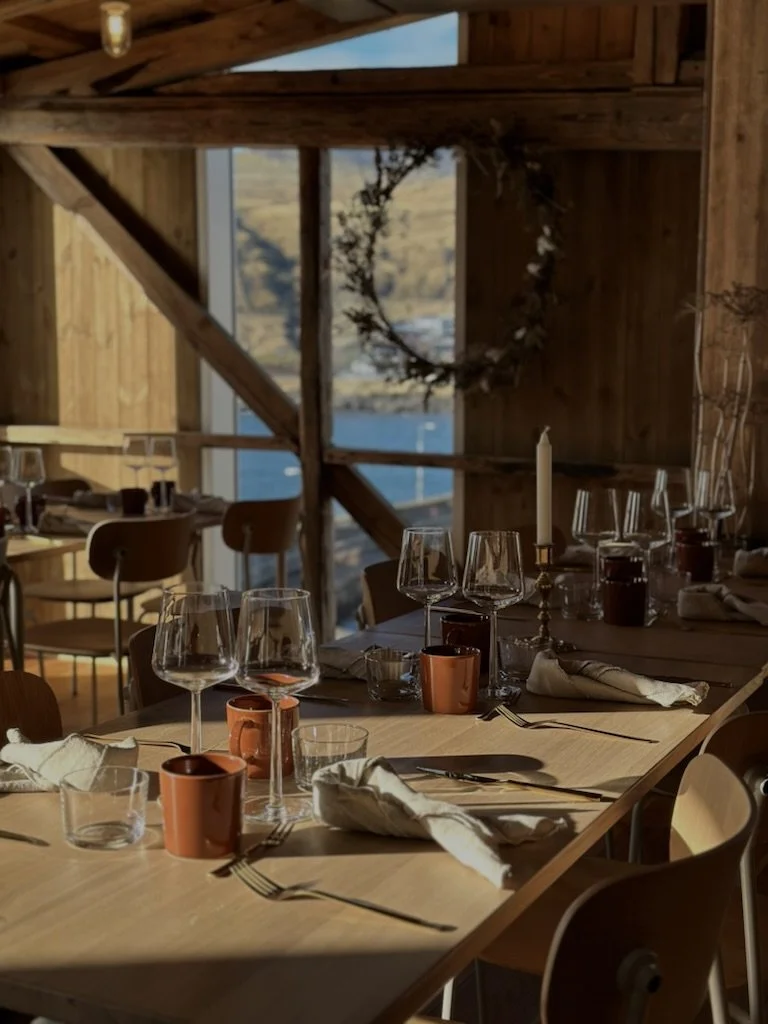
fiskastykkið sits in an old house in sandavágur, on the stone-paved ground where villagers once salted and dried cod for export to the mediterranean. the café keeps that history close, sourcing from the immediate environment the way earlier generations had to. next door, a second century-old warehouse, úti á gjógv, has been refreshed into a space for meetings, conferences and parties, separated from the café by nothing more than a narrow alley.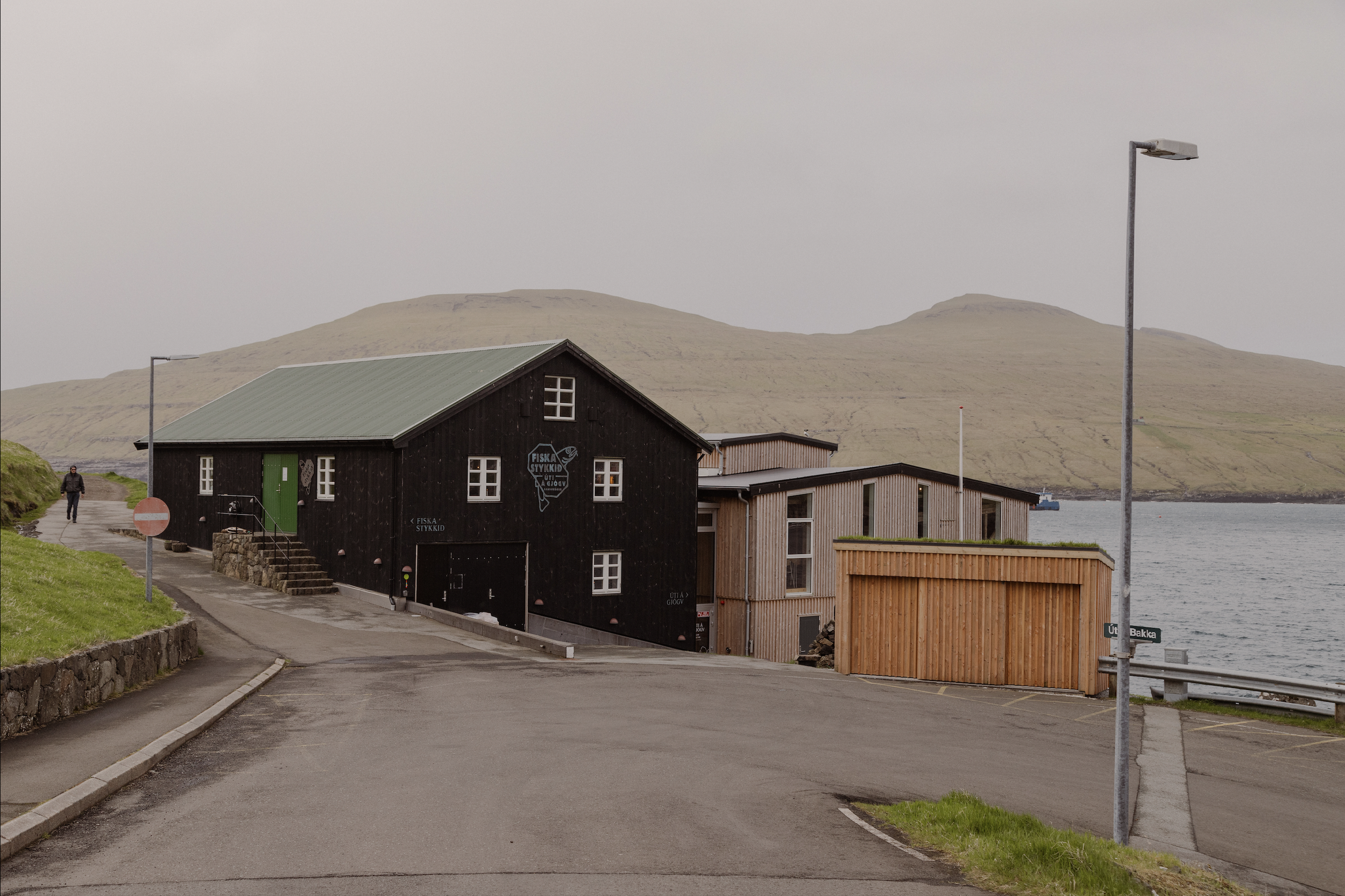
// in practicehoused in a century-old building on fiskastykkið, the stone-paved ground once used to dry salted cod for export to the mediterraneanmenu built from what the ocean and land offer locally: fish, greens, homebaked bread, all made from scratchúti á gjógv, a separate hundred-year-old warehouse next door, refurbished specifically for meetings, conferences and eventsseveral villagers who worked the original bacalao trade still visit, keeping the building's living history
// well suited forsmall meetings, conferences and private events in an authentic, characterful settinggroup dining tied to local food heritagepre- or post-event gatherings in the faroe islandsgroups wanting a genuine sense of place over a conventional venue
overview
the stone ground that made faroese cod famous, still at work a century on.
fiskastykkið takes its name from the stone-paved ground just outside the door, one of dozens that once covered faroese villages, where split, salted cod was laid out to dry in the wind coming off the bay. it was slow, weather-watched work: too much rain or heat and a batch could be ruined, so someone always had half an eye on the sky. the reward was worth it. faroese cod, richer in fat and gelatine thanks to a diet heavy in shellfish, produced a bacalao prized across the mediterranean, where salted cod had been a lenten staple for centuries and "islas feroe" still carries a mark of quality in spain today.
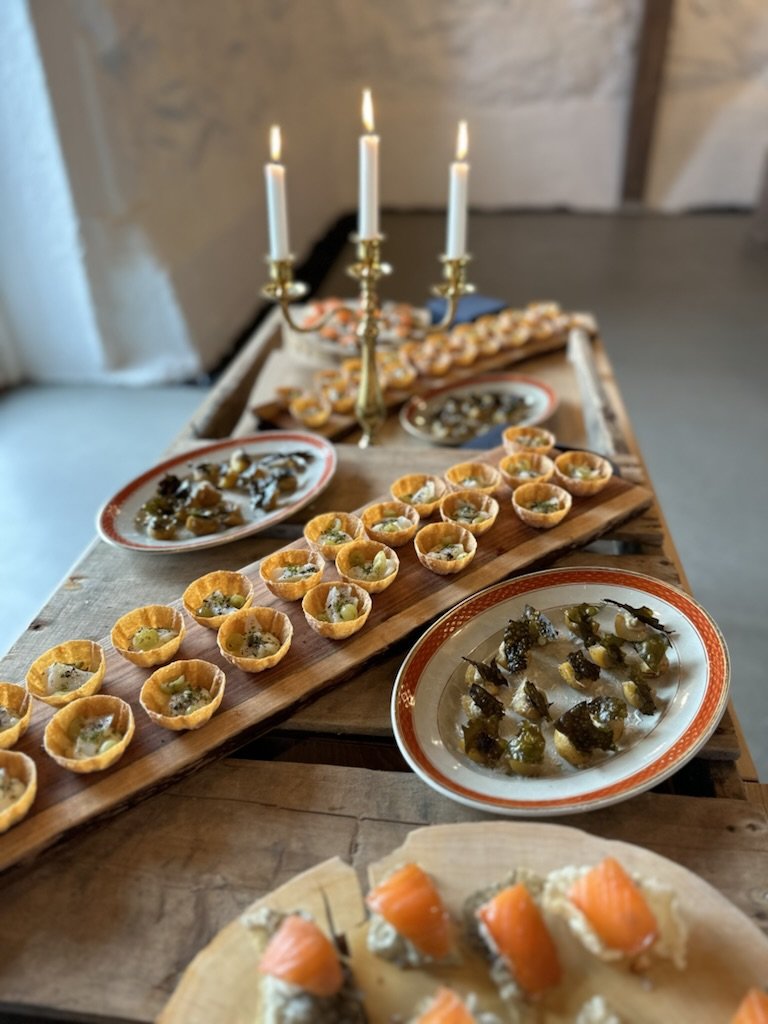
the café inside carries that same instinct forward, food built from what the land and sea actually provide, fish, greens and bread made from scratch, alongside fresh coffee and homebaked cakes. locals who worked the original bacalao trade still stop by out of habit, keeping the place feeling lived in rather than curated for visitors.
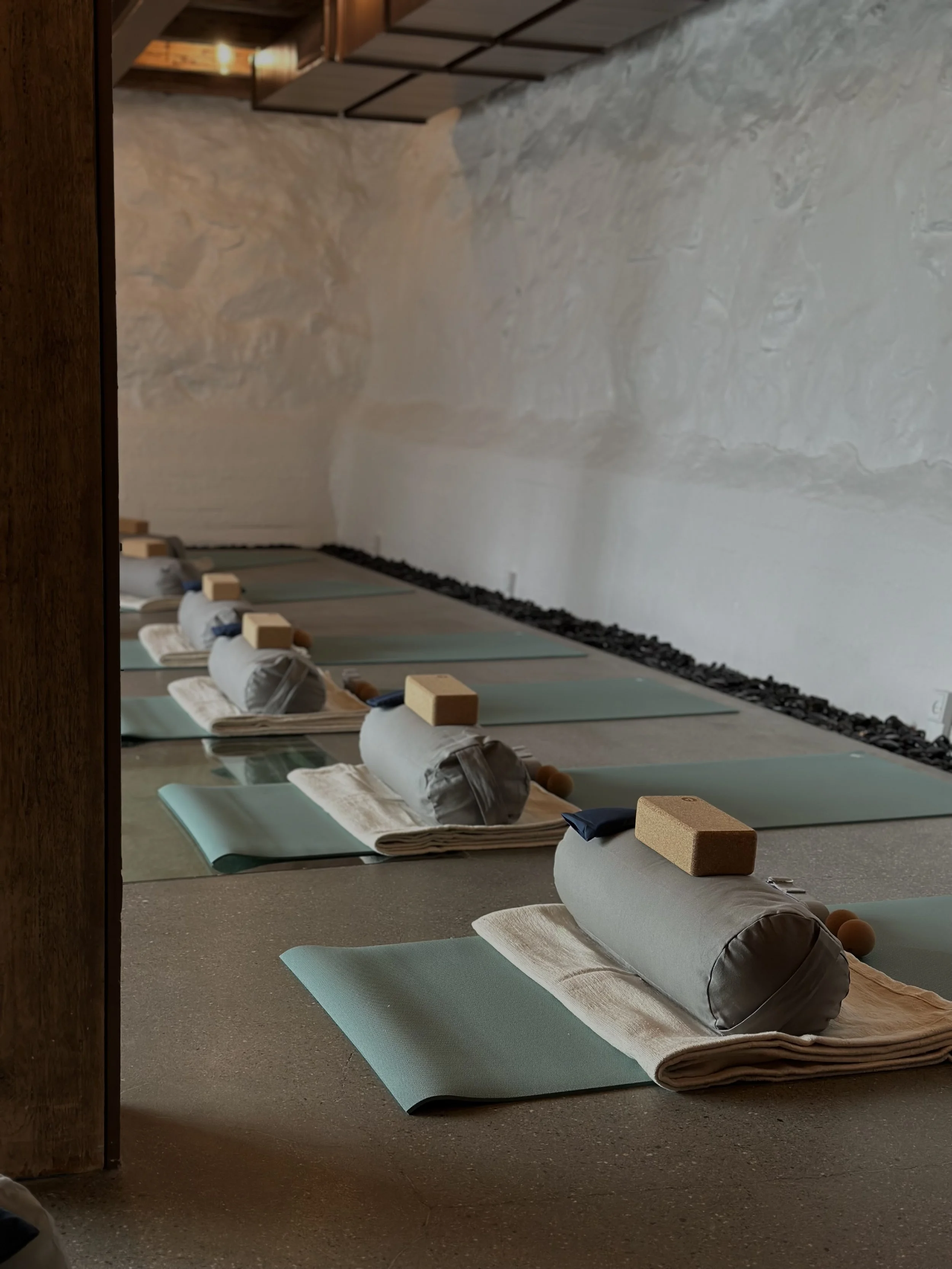
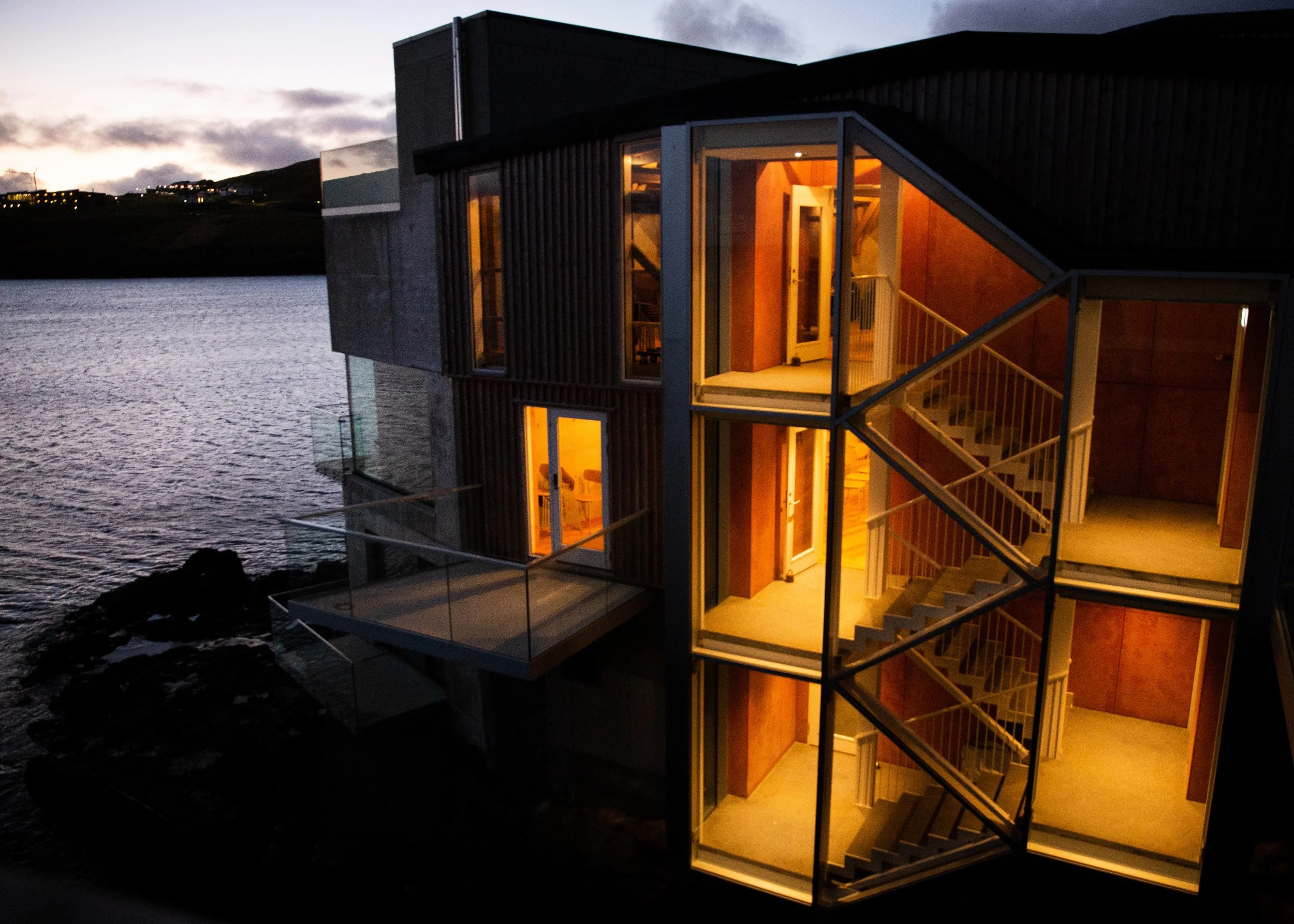
next door, úti á gjógv occupies its own warehouse from the same year, 1912, restored across three floors rather than rebuilt, and now used specifically for meetings, conferences and events. the same maritime history runs through it, just repurposed for a different kind of gathering, and it's already hosted mice activity.
for buyers, that combination gives a small group somewhere with real texture for both the working part of a programme and the meal that follows it, without needing two separate venues in two separate buildings.
what this could look like
a meeting or conference held inside úti á gjógv, the refurbished century-old warehouse next door
a group meal at the fiskastykkið café, built around local fish, greens and homebaked bread
a private guided tour, hosted by an expert who brings the building's rich history to life
private dinners or gatherings held at úti á gjógv, booked directly through the website or email